Join us at the table

Take a seat.
Take a Stand.

Many people believe ocean-farmed salmon is healthy, sustainable, and good for the planet. The reality? 99% of Atlantic salmon served in restaurants and sold in grocery stores is farmed in sea cages, and it’s harming our oceans and the future of wild salmon.

You can help make this right. Join world‑renowned chefs, restaurateurs, foodies, and everyday diners who’ve already pledged to take ocean‑farmed salmon Off The Table.

80%

decline in wild Atlantic salmon populations since 1974.
Before you take the bait…

Learn what’s going on beneath the surface.

PROBLEM 1

It’s driving wild Atlantic salmon to extinction.

Ocean salmon farming is driving wild Atlantic salmon to extinction. Overcrowded cages can break, allowing farmed salmon to escape, interbreed with wild populations, and weaken the species’ ability to survive.

PROBLEM 2

It pollutes oceans and your plate.

Ocean-farmed salmon is less clean, less transparent, and less nutritious than you may think. It’s raised in sea cages that dump pesticides and other toxic chemicals into surrounding waters.

PROBLEM 3

It’s raised in harmful
sea cages.

These cramped cages, with water clouded by chemicals and fecal matter, are inhumane. Between 2012 and 2022, approximately 865 million ocean-farmed salmon died prematurely.

PROBLEM 4

It creates food
insecurity.

Feeding one farmed salmon requires disproportionately more wild fish that could be feeding vulnerable people in low-income countries.

99%

Of Atlantic salmon served in restaurants and grocery stores is farmed in industrial sea cages.

865M

Ocean-farmed salmon died prematurely between 2012 and 2022.

This photo, taken inside a sea cage, shows an ocean-farmed salmon whose flesh has been ravaged by the sea lice 
and diseases that proliferate in ocean farms.

7 Species
Of Wild Salmon

around the world

Salmon farmed in sea cages is a selectively-bred commercial product called Atlantic salmon that is NOT the same as wild Atlantic salmon, which are endangered in the U.S. and critically threatened globally.

2X

Ocean-farmed salmon has more than double the saturated fat as wild salmon.

Did you know?

Just a few decades ago, salmon was a seasonal protein. The industry manufactured today’s constant demand and meets it with ocean farms that harm wild populations and pollute oceans. But there’s still time to change course before wild Atlantic salmon are driven to extinction.

Don't be fooled by
misleading marketing.

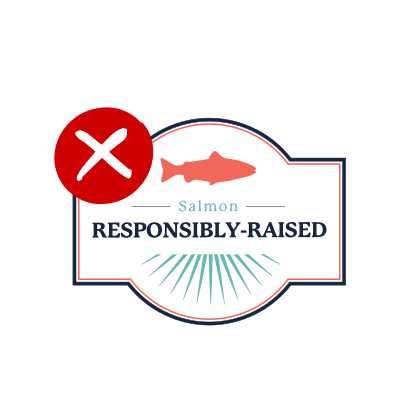
Responsibly-raised logo replica

‘‘Responsibly-raised’’

can mean very different things from one producer to the next. Look past the label and ask how the fish was raised.

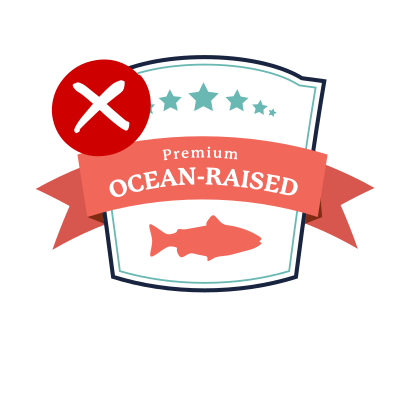
Ocean-raised logo replica

“Ocean-raised”

doesn’t mean it’s healthy, sustainable or good for the environment.

Organic logo replica

“Organic”

The Department of Agriculture (USDA) does not set standards for organic salmon farming.

Be wary of menu descriptions of farmed salmon that lean on the reputation of pristine places like Chile or Iceland. 
If it’s ocean-farmed — anywhere — it’s a problem.​ A good rule of thumb if you’re confused by the labels: 
When in doubt, leave it out.

What Chefs Are Saying

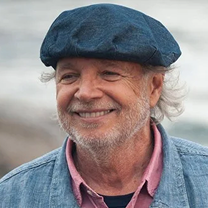
Alice Waters photograph

Choosing not to serve ocean-farmed salmon is a simple act of honesty — one that protects marine life and teaches our communities that where our food comes from matters.

Alice Waters

6X James Beard Award-winning chef and pioneer of the modern farm-to-table movement

Francis Mallmann photograph

I stopped using farmed salmon in my restaurants in 2013, and since then we have been working to prevent the creation of new breeding areas around the world.

Francis Mallmann

James Beard Award-winning celebrity chef specializing in Argentine cuisine​

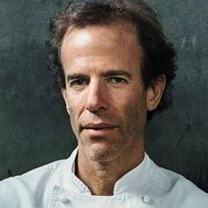
Dan Barber photograph

The problems with ocean-farmed salmon are well documented. It’s a wretched operation… we can and should do better for our taste buds and the environment.

Dan Barber

2X James Beard Award-winning chef and champion of ethical, sustainable food systems

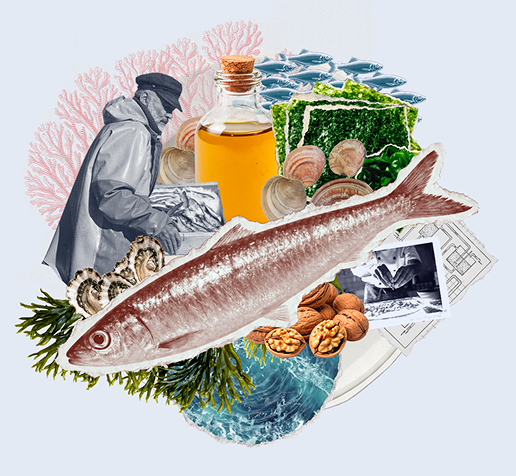
Collage featuring a fish, seaweed, nuts, clams, oil, a fisherman, and corals.

What should I eat instead?

There are other, better-for-you, better-for-the-ocean alternatives — from smaller, more nutrient-dense fish to plant-based options rich in omega-3s.

see the alternatives

So long,
ocean-farmed salmon.

This relationship isn’t sustainable.

TAKE THE PLEDGE

Search the Off The Table directory

directory