Logo
Pull up a chair.
The menu’s still full.

Make room on your plate for food that's better for you and the ocean.

There isn't just one thing we should start eating instead of ocean-farmed salmon, but there are plenty of delicious alternatives worth exploring. Beloware multipleideas to get your culinary creativity cooking.

Let your diet follow nature’s lead.

Eating in harmony with nature means weighing what you crave againstwhat'sin season,
what'slocally available andwhat'sabundant. The good news: The menu is still full of delicious options.
01 · Lower on the food chain

Small fish.

Outsized nutrition.

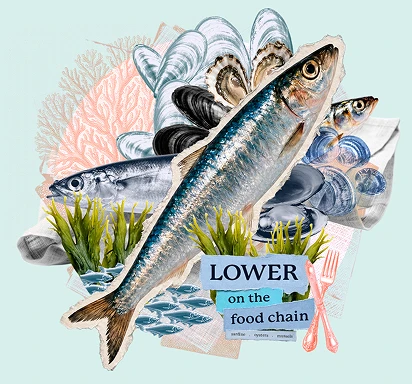
When sustainably sourced, bivalves and small, oily fish are an excellent, nutrient-denseswap.Plus, since they sit lower on the food chain,theyrequire fewer resourcesthan predators (like salmon) to make the same amount of protein.Maybe bestof all: their smaller bodies and shorter lifespans mean thattheycontainfewer accumulated toxins.
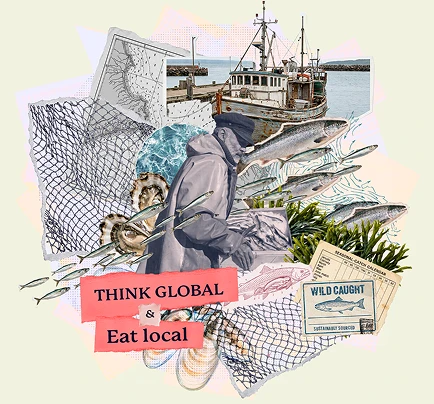
02 · Think global and eat local

Wild-caught & locally sourced

Ask your local seafood market about seasonal catches and well-managed fisheries in your region.
EXAMPLES
Wild Pacific Salmon · Seasonal Local Catch
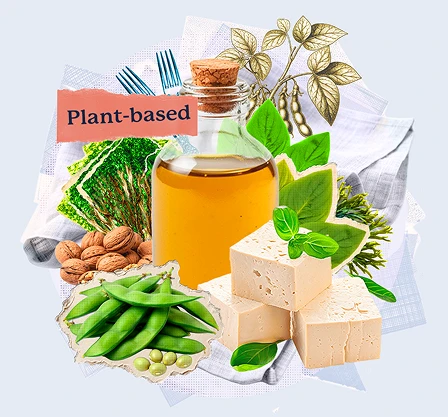
03 · Plant-based

Plants pack a nutritional punch.

Seeds, nuts and other plant-basedfoodspunch above their weight in nutrients, allowing you to get the vitamins, minerals and omega-3s you need without eating ocean-farmed salmon.
EXAMPLES
Flaxseed    ·    Chia Seeds    ·    Walnuts    ·    Edamame    ·    Algae Oil    ·    Seaweed    ·   
Hemp Seeds   Tempeh   ·   Tofu
04 · Ask the expert

Let your chef recommend a swap worth savoring.

The chefswho'vetaken ocean-farmed salmon off their menus have worked hard to educate themselves on what to serve instead. Let their good taste help shape yours.
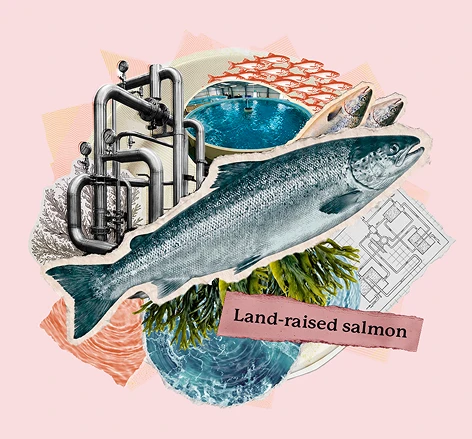
05 · Land-raised salmon

A transitionoption, but not a clean win yet.

Raising salmon on land in closed containment systems — also known as Recirculating Aquaculture Systems (RAS) —addressesmany of the worst aspects of sea cages: fish escapes, sealiceand marine pollution.
Worth knowing
The industry is still scaling and improving its technology. Unresolved issuesremainaround animal welfare, feed sustainability and thehigh costofoperatingthe systems around the clock.
Finally
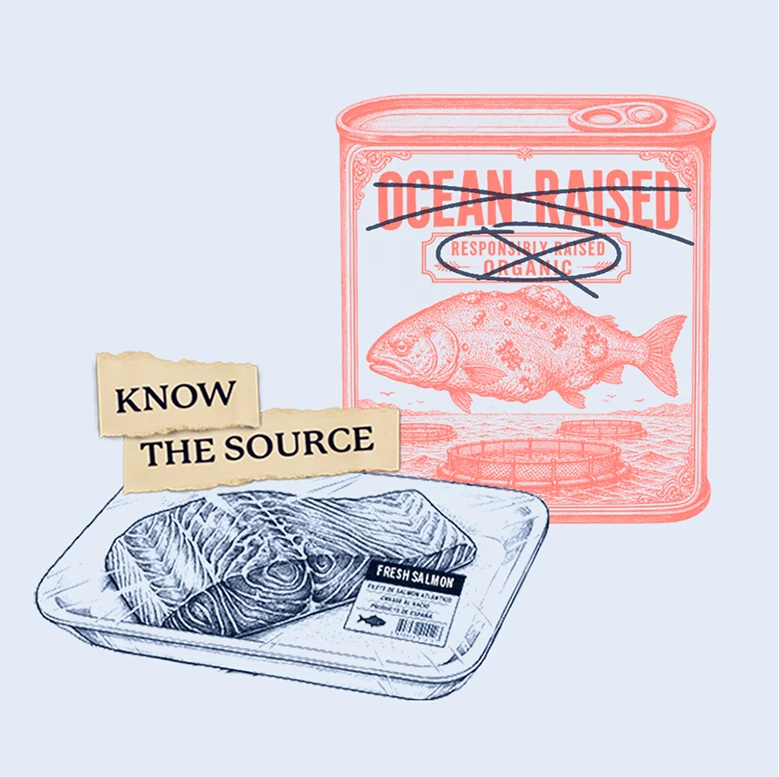
Don’t fall for labels hook, line and sinker.
"Ocean-raised"doesn'tmean a fish is healthy or good for the environment. "Responsibly raised" is often green washing marketing lingo. "Organic" may suggest USDA Organic certification, butthere'sno federally approved organic standard for salmon farming in the United States.Finally, be wary of menu descriptions of farmed salmon that lean on the reputation of pristine places like Chile, Iceland or the Faroe Islands.Ifit'socean-farmed — anywhere — itdoesn'tdeserve a place on your plate.

When in doubt, leave it out.