




A culinary crossroads has arrived:
OCEAN-FARMED SALMON
IS OFF THE TABLE
In a historic open letter, 120+ of the world’s most thoughtful chefs are ushering in a brighter, more sustainable food future. And there’s a seat for all of us at the table.
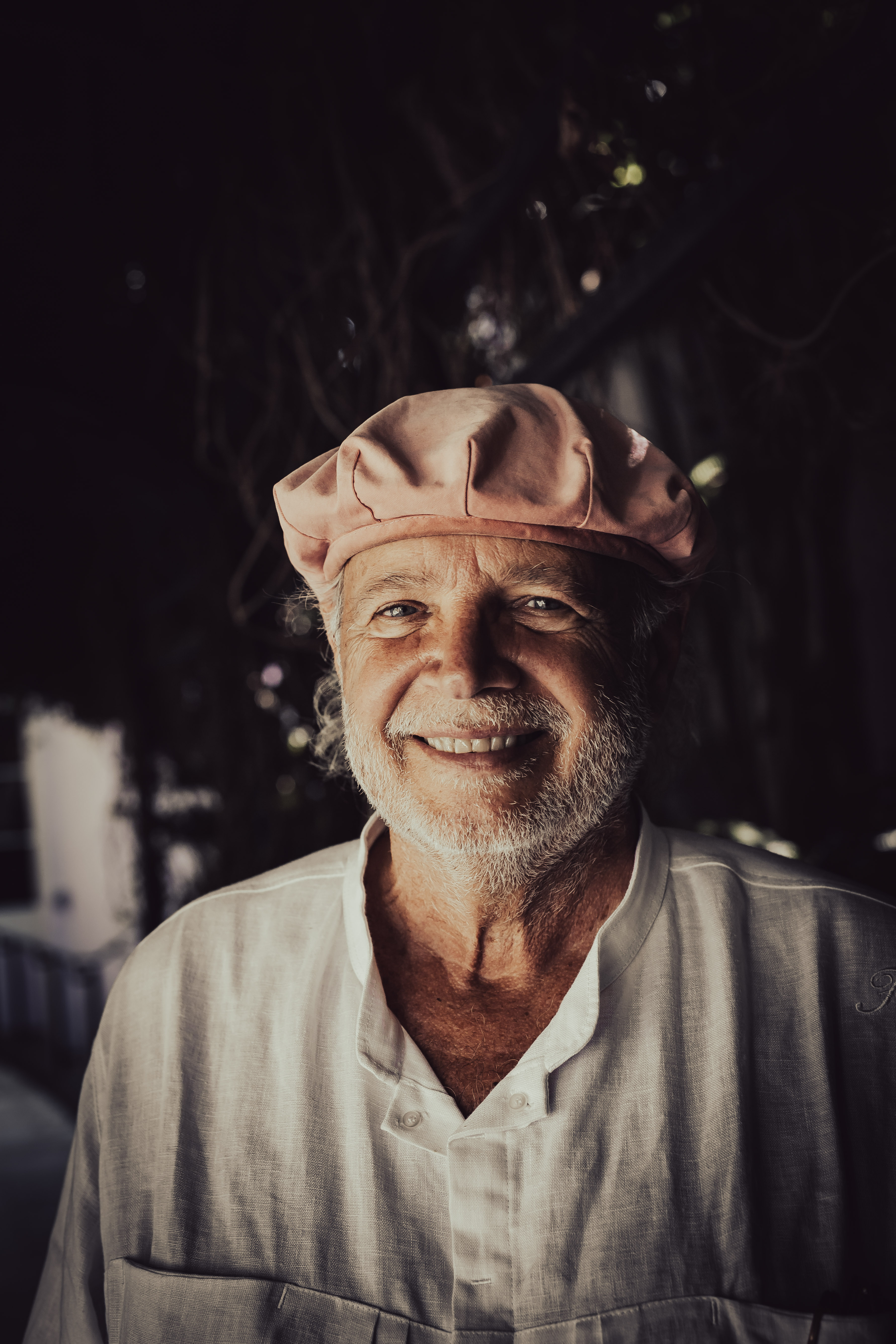
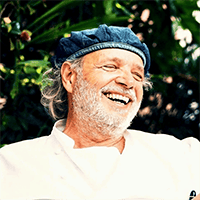
Acclaimed open-fire chef and champion of regional food traditions.
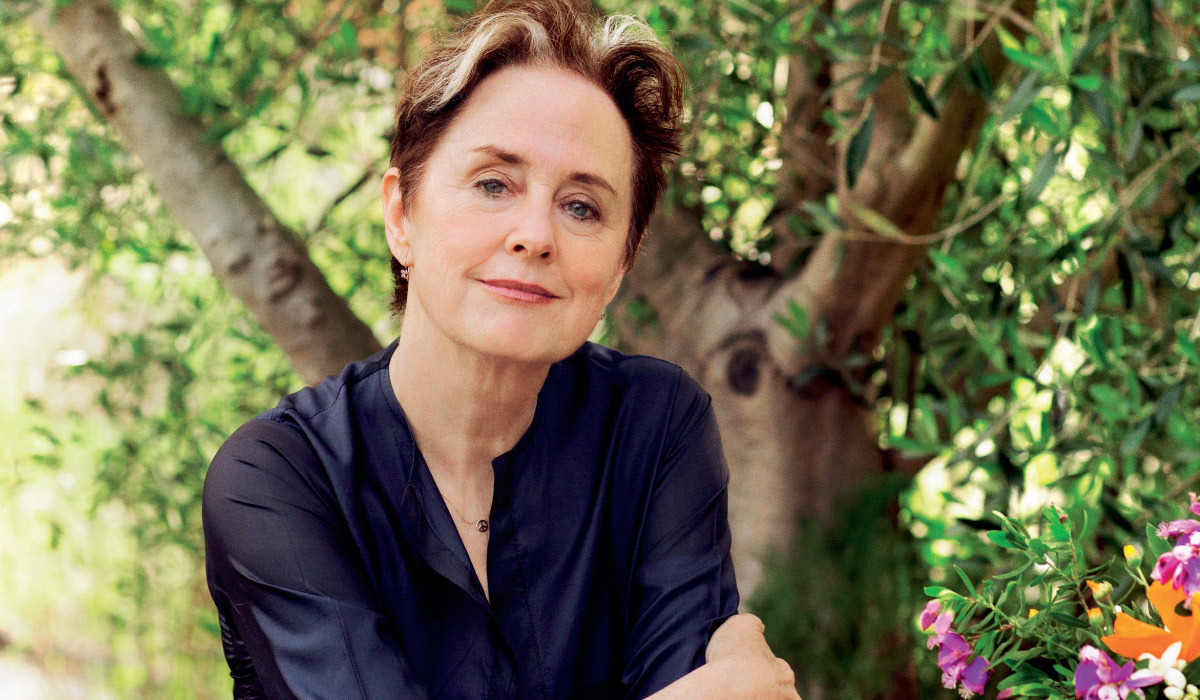
Farm-to-table and farm-to-school lunch pioneer
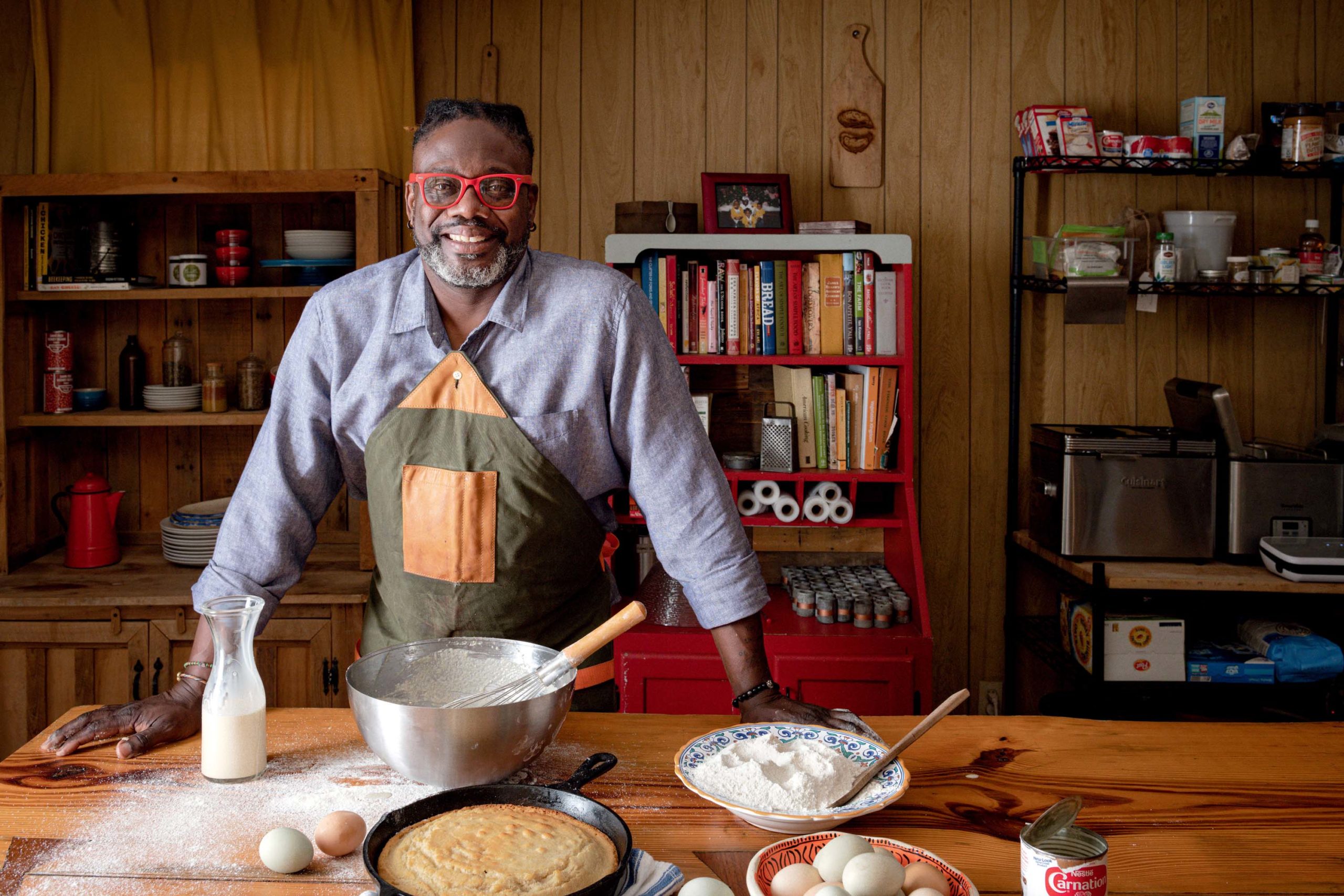
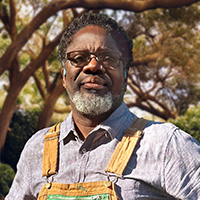
Farmer, chef, and steward of Southern foodways.
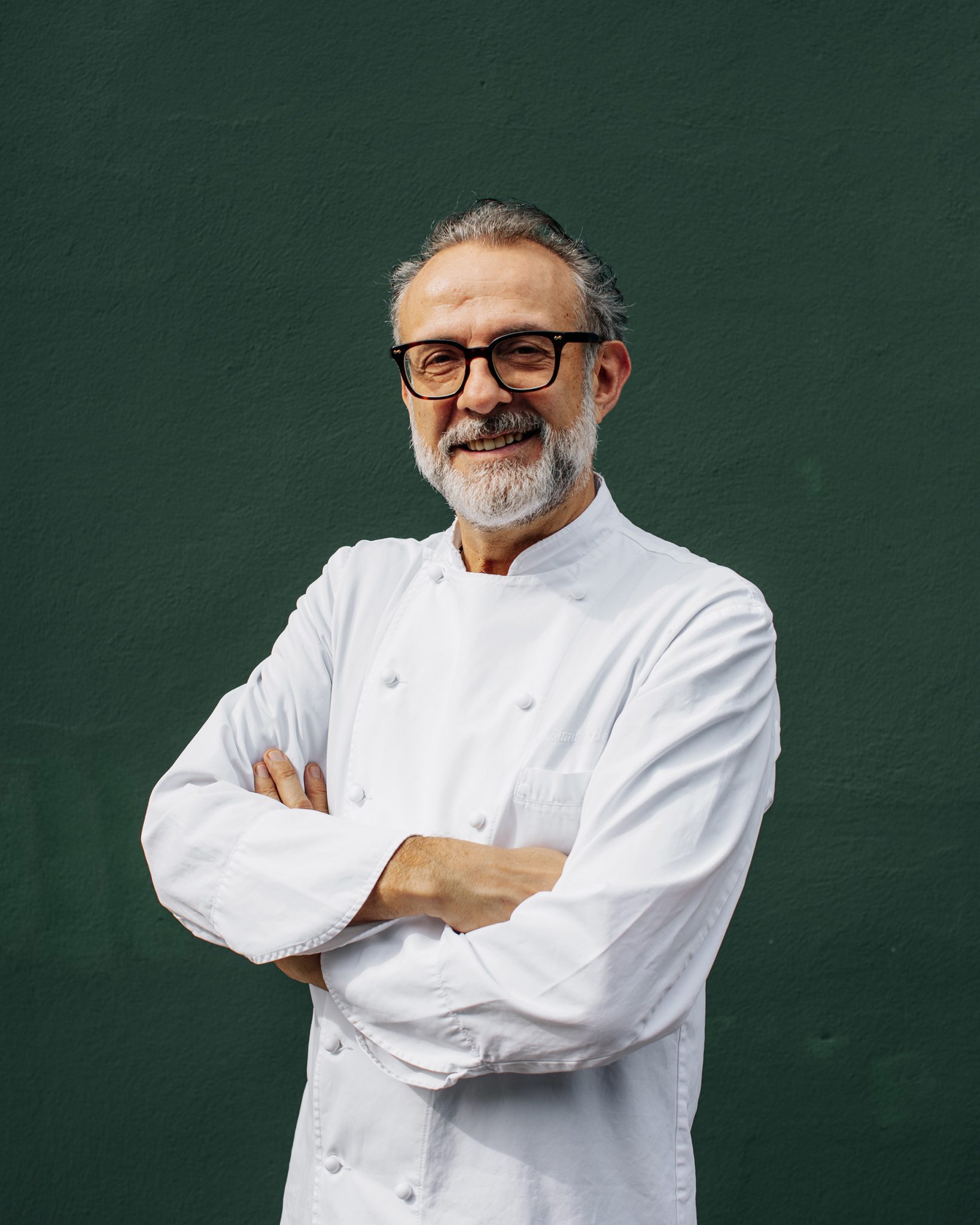
3 Michelin Stars, Green Michelin Star, and rated World #1 twice (2016, 2018).
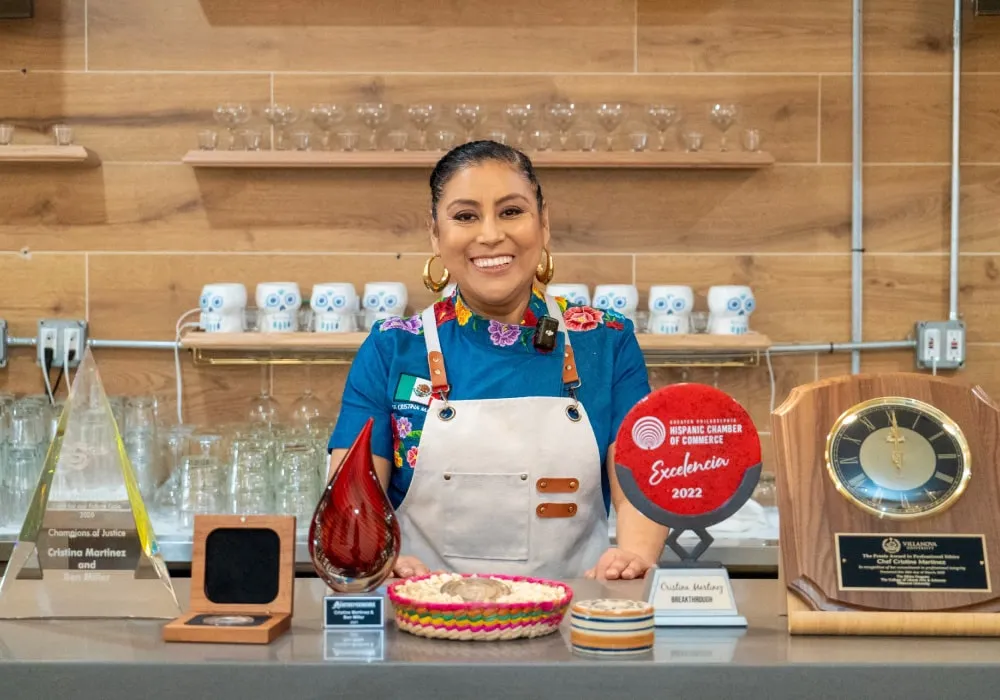
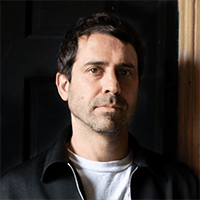
Chef-owner of acclaimed neighborhood Mexican restaurants.
.jpeg)
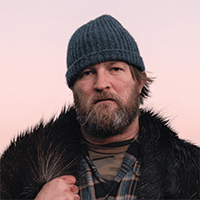
Chef, outdoorsman, and advocate for fishing communities.
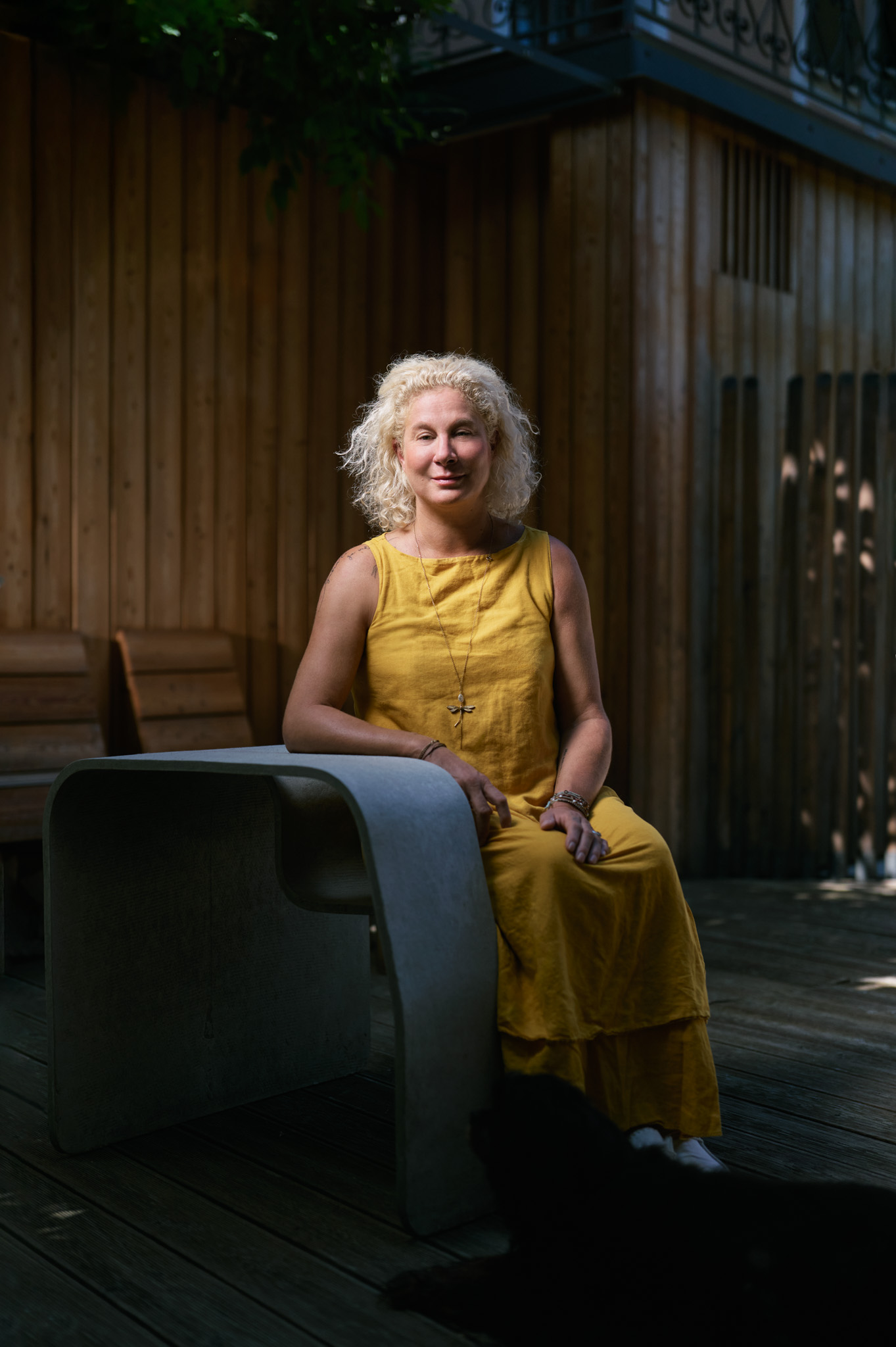
Award-winning chef known for hyper-local cuisine.
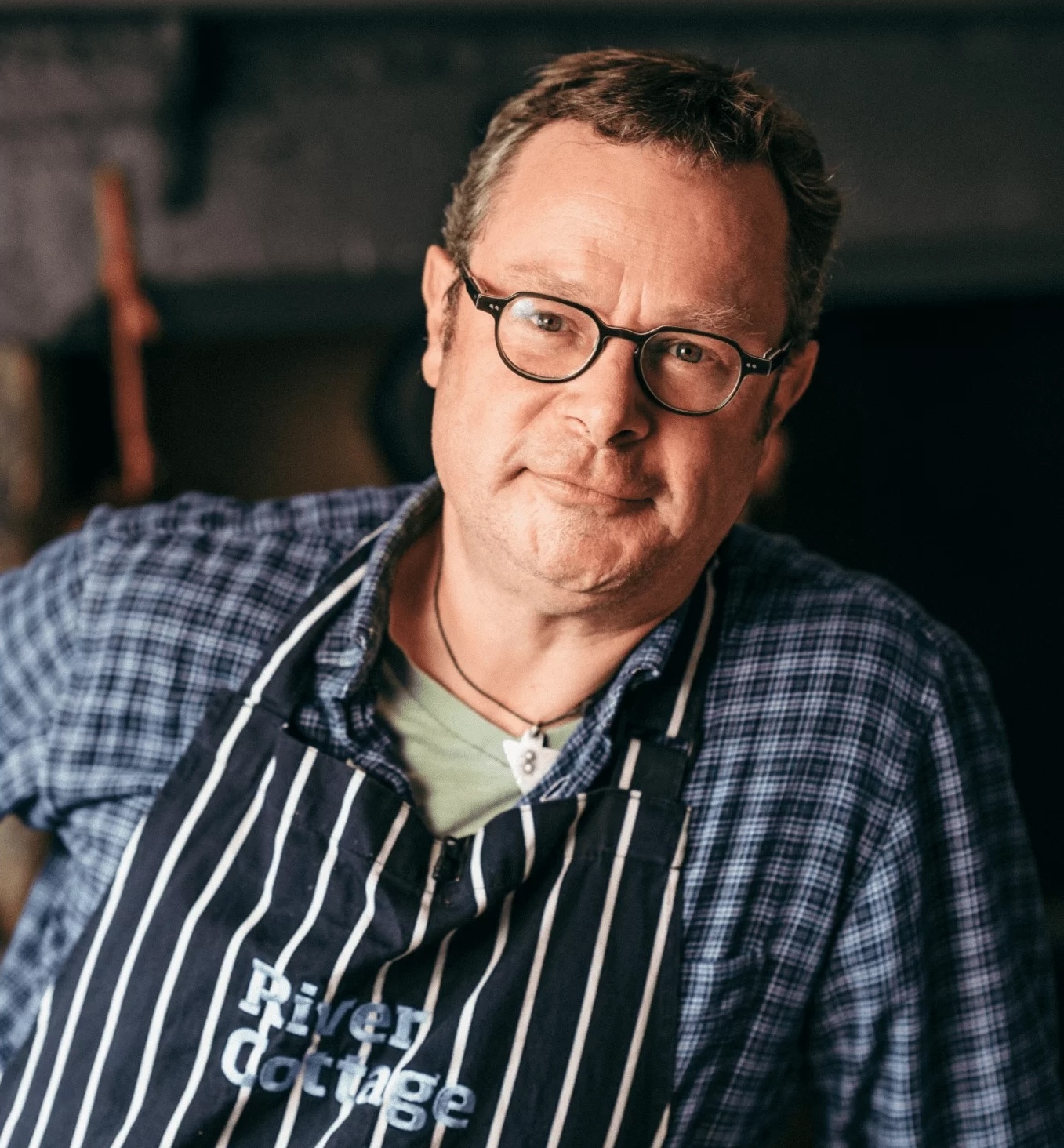
Cook, writer, broadcaster, and campaigner on food and environmental issues.
why take it off the table?
Learn what’s going on beneath the surface.
PROBLEM 1
It’s driving wild Atlantic salmon to extinction.
Sea cages are often sited directly in wild salmon migratory routes. Sea lice and disease spread from crowded pens to wild fish. Escaped farmed salmon interbreed with wild ones, diluting genes shaped over millions of years.1 Sea cage farming is a leading driver pushing wild Atlantic salmon toward extinction.2
PROBLEM 3
It’s raised in harmful
sea cages.
These cramped cages, with water clouded by chemicals and fecal matter, are inhumane. Between 2012 and 2022, approximately 865 million ocean-farmed salmon died prematurely.5
PROBLEM 4
It creates food
insecurity.
Feeding one farmed salmon requires disproportionately more wild fish that could be feeding vulnerable people in low-income countries.6
There's a simple way you can help:
take ocean-farmed salmon Off The Table.
Cooking at home tonight?
Skipping ocean-farmed salmon opens the door to a host of other wonderful flavors. Explore these easy and affordable options for your next meal.
see the alternatives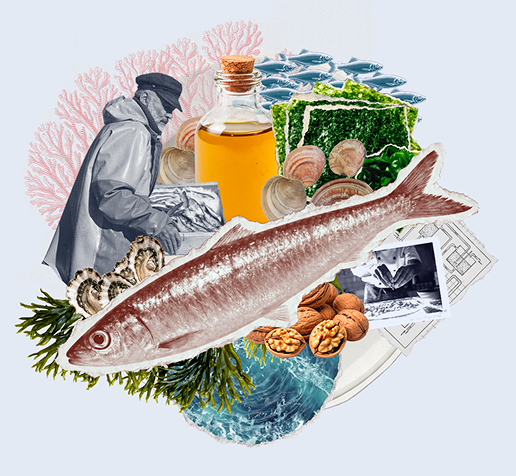
Chefs Open Letter

To Our Fellow Chefs:
Nobody ordered this.
Salmon was once cooked seasonally. Wild salmon returned from the sea to rivers in such numbers that the water seemed alive with them. Yet since the 1970s, many wild salmon populations have collapsed by 80% or more. Wild Atlantic salmon in particular could disappear in our lifetime.
The loss is easy to miss. Salmon has never seemed more abundant.
But this abundance is manufactured, and it comes at a great cost. Today, 99% of Atlantic salmon served in restaurants and grocery stores is raised in industrial sea cages, often in the same waters wild salmon must pass through to survive.
Ocean-farmed salmon has become one of the greatest threats to wild salmon’s future.
Because these crowded cages are open, they pollute surrounding waters; waste does not stay contained. Nor do sea lice parasites, disease, or chemical treatments. Sea lice spread from farms to vulnerable young wild salmon. When nets break, farmed fish escape and breed with wild salmon, weakening the genetic inheritance they depend on to survive.
The impact extends beyond the cages. Feeding one ocean-farmed salmon requires hundreds of ground-up wild fish that marine life and vulnerable subsistence communities depend on.
Then there is the product itself. Its color is synthetic, engineered to match the pink we expect, and it has been marketed with unjustified claims of sustainability.
Ocean-farmed salmon should never have existed at this scale. Not when the cost is wild salmon and all that depends on them.
Empty rivers mean less food for bears, eagles, and otters — and traditions lost before they can be passed down.
Communities seeing these effects firsthand are already taking a stand.
Chefs can too. We commit to not serving ocean-farmed salmon until the industry can operate without causing this harm. And we are asking chefs and restaurants around the world to join us.
Our decisions shape what diners value, what suppliers prioritize, and ultimately which foods — and species — survive.
Every menu is a choice about what belongs on our tables. Ocean-farmed salmon does not — not as long as it continues to cause this kind of harm.
Let’s take it off the table.
With hope,
Get involved
Find your role in helping save wild Atlantic salmon from extinction — explore our action library.
Explore all actions